
Power Distribution Built for Real Load Requirements
Sub Panel Installation in Avondale for detached garages, workshops, and home additions that need dedicated electrical service
HPM Electric installs sub panels across Avondale and Delaware County for properties that need isolated electrical service separate from the main distribution panel. Detached garages, home workshops, and new additions often exceed the capacity of existing circuits or require power in locations too far from the main panel to wire efficiently. The installation involves running feeder lines from the main panel, mounting and wiring the sub panel with correct breaker sizing based on load calculation, and connecting branch circuits that serve the new space—all work performed under master electrical license oversight with permits and inspections included.
New construction and additions in Delaware County increasingly require isolated electrical services because modern appliances, power tools, and EV chargers demand dedicated circuits that can't share capacity with existing household loads. A properly sized sub panel allows the detached structure to operate independently while maintaining code-compliant connection to the main service.
Schedule a property evaluation to determine feeder line routing and sub panel capacity requirements for your specific project.
Our Services
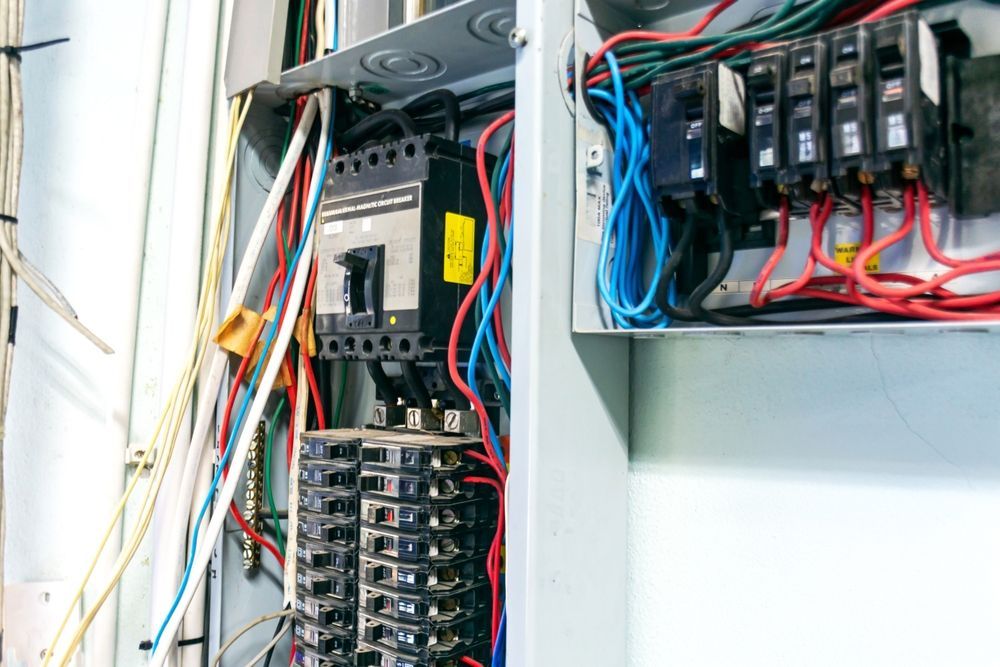
What Proper Sub Panel Installation Requires
The process begins with load calculation to determine the amperage the sub panel must handle, followed by selecting the correct gauge feeder cable that can carry that load safely over the distance from the main panel. The feeder lines are routed through conduit or protective sheathing, and the sub panel is mounted in the new structure with proper grounding and bonding to meet National Electrical Code standards.
Once the sub panel is energized, you'll notice that tools and equipment in the workshop or garage run without tripping breakers in the main house, lighting in the addition operates on its own circuits, and heavy-load devices no longer cause voltage sag that dims lights elsewhere on the property. HPM Electric ensures that branch circuits from the sub panel are labeled clearly and that the installation passes inspection before the system goes into regular use.
The work includes coordination with local building officials for permit approval, which is required for any service expansion in Delaware County, and the installation is designed to accommodate future circuit additions if the space's electrical needs grow over time.
Common Questions About This Service
Homeowners planning additions or upgrading detached structures often ask about capacity planning, code requirements, and what the installation involves from start to finish.
What determines the size of sub panel needed for a detached garage?
The total amperage depends on what equipment will run in the space—basic lighting and outlet circuits may only need a 60-amp sub panel, while workshops with table saws, air compressors, and welders often require 100-amp or larger service.
How is the feeder line run from the main panel to the new structure?
The cable is routed underground in conduit or overhead on mast brackets depending on distance, terrain, and local code requirements; Delaware County installations typically use underground burial to avoid visual clutter and weather exposure.
When should a property owner install a sub panel instead of running individual circuits?
Any time the new space needs more than two or three circuits, or when the distance from the main panel exceeds 100 feet, a sub panel becomes more cost-effective and code-compliant than running multiple long branch circuits.
What permits and inspections are required in Avondale?
All sub panel installations require an electrical permit from the local authority, a rough-in inspection before walls are closed, and a final inspection before the system is energized.
How does a master electrician ensure proper load calculation?
The calculation accounts for continuous loads like heating equipment, motor startup surges from power tools, and future circuit additions, then selects breaker and wire sizes with appropriate safety margins to prevent nuisance tripping.
HPM Electric handles all permit coordination and inspection scheduling as part of the installation process. Arrange an on-site consultation to review your project's electrical needs and feeder routing options.