
Lighting Systems Built for Daily Use
Interior Lighting Installation in Avondale for homes and commercial spaces requiring updated electrical infrastructure
Affluent residential communities across the Bryn Mawr area increasingly integrate home automation with lighting systems, requiring control wiring, dimmer compatibility, and circuit load management that older electrical panels weren't designed to support. HPM Electric installs interior lighting systems in homes and commercial spaces throughout Delaware County, mounting fixtures, running control wiring, installing dimmers and switches, verifying circuit load, and testing all connections per electrical code requirements that ensure safe, reliable operation under continuous use.
Interior lighting installation addresses both the visible fixture placement and the hidden electrical work that determines whether lights operate correctly. Circuit capacity, wire gauge selection, and control system compatibility all affect whether fixtures dim smoothly, start instantly, and remain cool during extended runtime without tripping breakers or degrading wire insulation.
Request a project consultation to evaluate your lighting design and verify electrical system compatibility.
Our Services
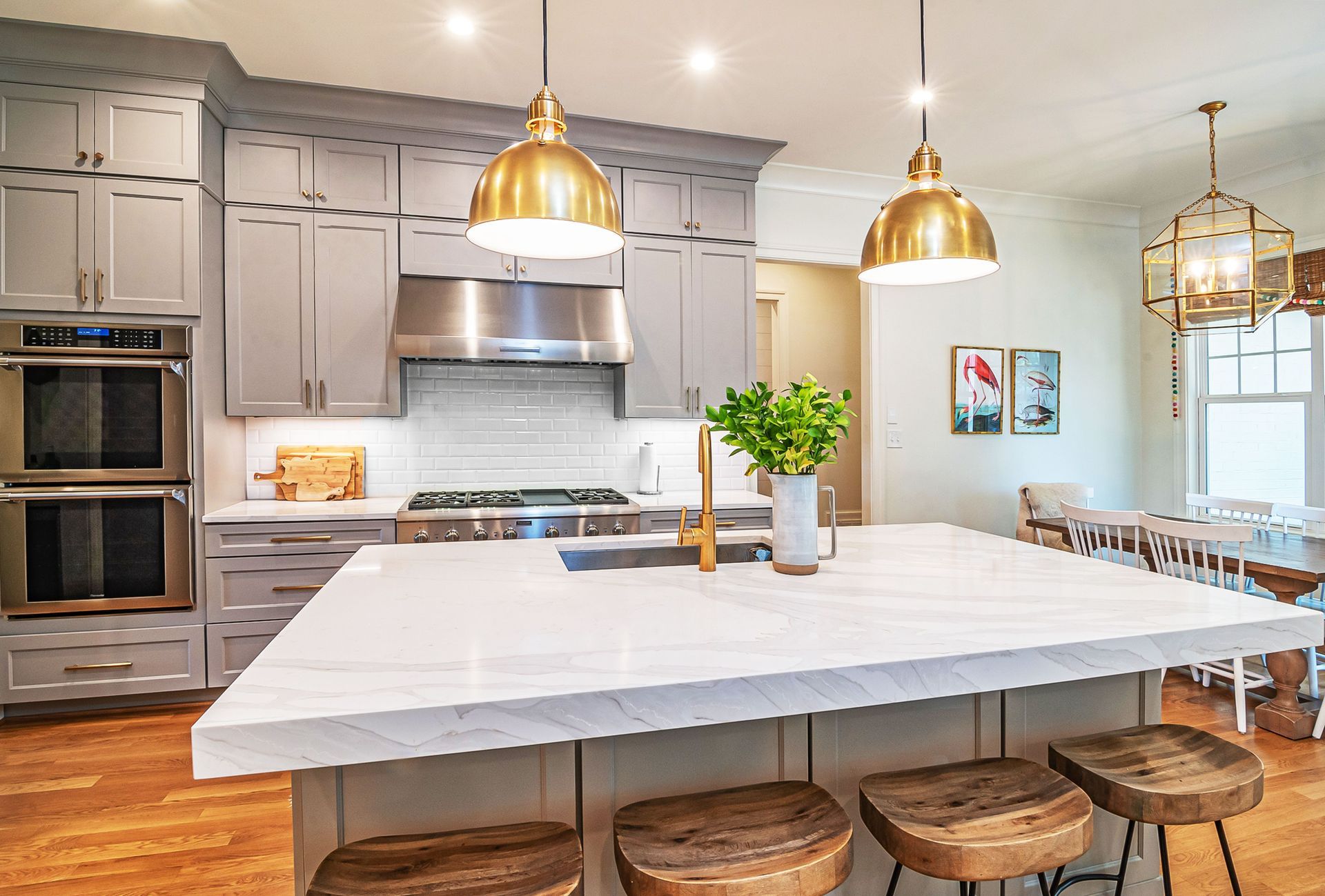
What Proper Installation Includes
Each installation begins with circuit load calculations to confirm existing breakers can handle additional fixtures, followed by mounting fixture boxes at locations that align with ceiling joists or wall studs for secure support. Control wiring runs between switches and fixtures allow dimming and automation integration without visible conduit, while proper box fill ensures wire terminations aren't compressed beyond code limits that cause insulation damage and eventual short circuits.
Once work is complete, switches and dimmers operate through their full range without flickering or humming, fixtures remain firmly mounted without sagging from ceiling boxes, and all circuits maintain stable voltage under maximum load without tripping breakers. Automation-integrated systems respond immediately to programmed triggers—motion sensors, time schedules, or manual overrides—without the lag or inconsistent operation that indicates incompatible components or insufficient control voltage.
Master electrician scope covers the full range of interior fixture types, from recessed cans and pendant lights to track systems and under-cabinet installations. Full permit and inspection handling ensures work meets Delaware County enforcement standards, with all materials and methods documented for future reference during property transfers or insurance reviews.
Questions Property Owners Usually Ask
Installation decisions often center on fixture selection, control options, and how to balance lighting quality with energy efficiency and circuit capacity.
What's involved in installing recessed lighting in finished ceilings?
Installation requires cutting precise openings in drywall, positioning fixture housings between ceiling joists, running wire from the nearest junction box or switch location, and connecting fixtures to circuit wiring. In insulated ceilings, IC-rated housings prevent overheating by allowing direct contact with insulation, which non-IC fixtures cannot safely accommodate.
How does lighting installation cost vary between simple fixture replacement and full system upgrades?
Replacing existing fixtures on current boxes involves minimal electrical work—disconnect old fixtures, connect new ones, verify operation. Installing new fixture locations requires running wire through walls or ceilings, cutting and mounting new boxes, potentially adding circuits if existing capacity is insufficient, and patching drywall around new openings, all of which increase labor and material requirements substantially.
Can interior lighting be controlled by smart home systems in Avondale properties?
Smart control requires compatible dimmer switches, adequate neutral wiring at switch boxes—which many older homes lack—and network connectivity for remote operation. Some smart systems use wireless communication between switches and fixtures, eliminating the need for additional control wiring but requiring battery maintenance or continuous power at switch locations.
Why do some LED fixtures flicker or buzz after installation?
Incompatibility between LED drivers and dimmer switches causes flickering, while electronic components in non-dimmable LEDs produce audible noise when connected to dimmers. Using dimmers specifically rated for LED loads and ensuring minimum wattage requirements are met eliminates most buzzing and flickering issues, though some inexpensive LED fixtures simply lack the driver quality needed for stable operation.
What lighting works best for high-traffic areas and spaces requiring bright, even illumination?
Recessed fixtures spaced evenly across ceilings provide uniform light without shadows or dark corners, while pendant or surface-mount fixtures concentrate light in specific zones. Task lighting in kitchens and workspaces requires higher lumen output and color temperatures that render colors accurately, whereas ambient lighting in living areas benefits from dimmable warmth that adjusts to time of day and activity.
HPM Electric handles interior lighting installation across Avondale and Delaware County with full code compliance and attention to finish quality expected in Bryn Mawr and Haverford residential work. Contact HPM Electric to schedule an installation review and discuss your specific lighting requirements.