Transfer Switches That Activate Automatically
Generator installation service in Avondale for properties lacking backup power infrastructure and requiring code-compliant electrical integration
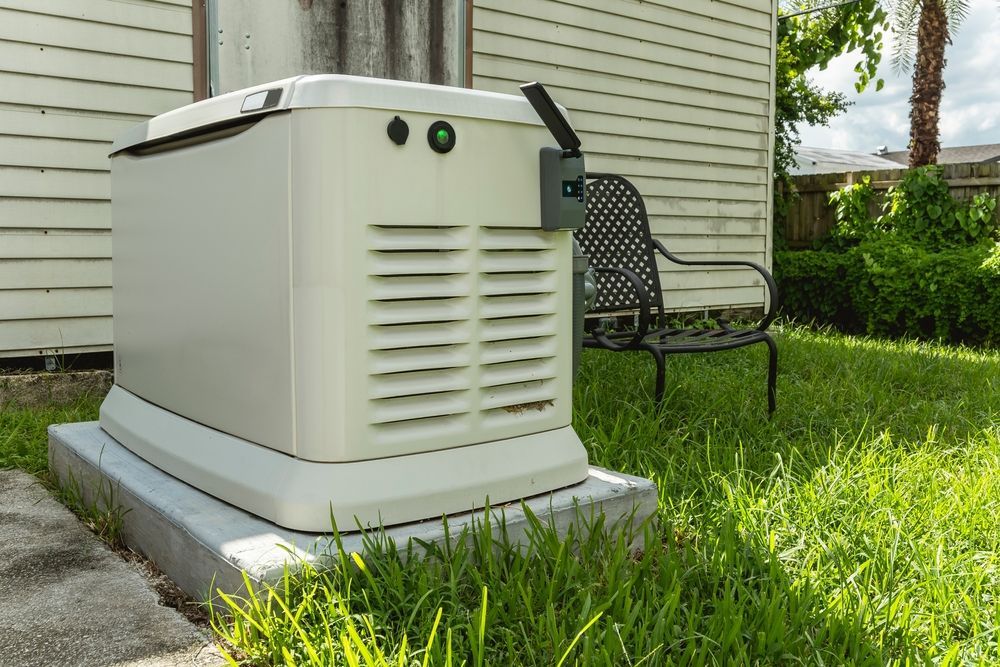
Generator installation transforms purchased equipment into functional backup power systems through site selection and concrete pad preparation, fuel line routing that meets safety spacing and venting requirements, electrical connection to main panels via automatic transfer switches, utility coordination when installations affect meter locations, and final inspection approval that authorizes system operation. HPM Electric completes these installations across Delaware County, addressing the infrastructure gaps common in older Bryn Mawr, Haverford, and Radnor homes where backup power was never originally planned. Affluent communities increasingly expect generator systems that activate without manual intervention, requiring professional electrical work and permit management that property owners cannot complete themselves.
The transfer switch represents the critical electrical component that isolates your home from utility power during outages while connecting generator output to selected circuits, preventing dangerous backfeeding that could injure utility workers or damage equipment. Installation requires mounting the transfer switch near the main panel, running high-voltage conductors between the switch and generator, programming the switch to detect voltage loss and signal generator startup, and testing the complete sequence under simulated outage conditions before receiving inspector approval.
Request an installation estimate to assess your property's site conditions and electrical upgrade requirements.
Our Services
What Proper Installation Requires
Site selection involves positioning the generator to meet manufacturer clearance requirements for airflow and service access while minimizing noise transmission to living spaces and maintaining code-mandated distances from windows, doors, and fuel meters. Concrete pad preparation provides a stable, level surface that prevents vibration-related damage and allows proper drainage of condensation from exhaust systems. Fuel line installation varies by fuel type—natural gas connections tap existing utility lines with pressure regulators and emergency shutoff valves, while propane systems require underground tank placement or above-ground installations with proper venting and fill access.
After installation completes, your generator monitors utility power continuously through the transfer switch, detecting outages and starting automatically within seconds to restore power to connected circuits. The system transitions your home's electrical load from grid to generator without requiring any manual action, maintaining refrigeration, climate control, water pumping, and lighting throughout outage duration. When utility power returns, the transfer switch reconnects your home to the grid after verifying stable voltage, then signals the generator to shut down and enter standby mode for the next outage event.
The master electrician managing installation handles permit submission through local building departments, coordinates inspection scheduling, and completes all approval documentation required for legal operation. This process includes demonstrating proper transfer switch operation, verifying that fuel systems comply with Pennsylvania mechanical codes, and confirming that electrical connections meet National Electrical Code requirements for conductor sizing, overcurrent protection, and grounding.
Questions Before Starting Your Project
Homeowners planning generator installations need clarity on what the process involves, how long it takes, and what factors affect final project costs beyond equipment purchase price.
What site conditions affect generator placement and installation complexity?
Adequate clearance from structures for exhaust venting and service access, level ground or suitable pad location, proximity to fuel sources and electrical panels, and local noise ordinances all influence where generators can install and what site preparation is required before equipment arrives.
How does the automatic transfer switch connect to both utility power and generator output?
The transfer switch installs between your main electrical panel and utility meter, monitoring incoming grid power while remaining physically connected to generator output through dedicated conductors. When utility voltage drops below threshold, the switch mechanically disconnects grid connection and simultaneously connects generator output to your panel.
Why do older homes in Delaware County often require electrical panel upgrades during generator installation?
Panels in properties built before modern code revisions may lack physical space for transfer switch connections, sufficient circuit capacity to support backup loads, or proper grounding systems required for safe generator integration. Upgrades bring the entire service to current code before adding backup power capability.
What happens during the utility coordination required for some generator installations?
When generator placement affects meter accessibility or requires modifications to service entrance equipment, utility companies must approve plans and sometimes disconnect power temporarily to allow safe work near live conductors. The electrician manages this coordination and schedules work around utility availability.
How long does generator installation typically take from permit application to final inspection approval?
Timeline varies based on permit processing delays, equipment delivery schedules, and inspection availability, but most residential installations span two to four weeks from initial site work through final approval, with actual installation work completed in several days once permits issue and equipment arrives.
HPM Electric manages the complete installation process, including contractor coordination for site preparation and fuel line work that falls outside electrical scope. Ten years of experience with residential backup systems informs decisions about transfer switch sizing, circuit selection for backup coverage, and code compliance strategies that prevent approval delays. Call (610) 633-7604 to schedule a site evaluation and discuss your generator installation timeline.