
Fixtures Installed to Code and Specification
Lighting Fixtures and Equipment Installation in Avondale for residential and light commercial properties requiring quality finishes
Proper fixture installation involves more than mounting hardware and connecting wires—it requires running appropriate gauge wire for the load, verifying circuit capacity, installing control wiring for dimmers and switches, and inspecting all terminations per electrical code. HPM Electric installs recessed lighting, pendant fixtures, chandeliers, and outdoor lighting across Delaware County, ensuring fixtures operate safely and perform as intended without overloading existing circuits or creating fire hazards in older homes with undersized wiring.
Affluent residential communities throughout the Bryn Mawr and Haverford areas demand both fixture quality and installation workmanship that meets code requirements while delivering professional finishes. Older homes often require updated wiring to support modern LED fixtures with dimming controls, while new construction installations must account for EV charging and smart home panel capacity demands that compete for available amperage.
Arrange a consultation to review fixture specifications and verify your electrical system can support the planned installation.
Our Services
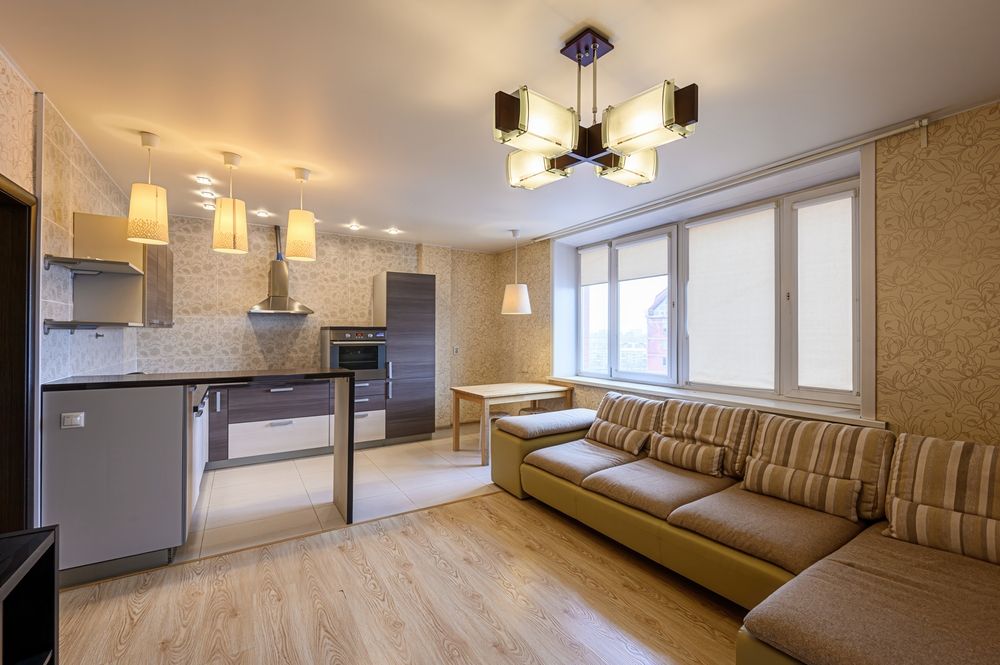
What Quality Fixture Installation Requires
Installation work begins with selecting mounting locations that align with structural support—ceiling joists for heavy chandeliers, fire-rated enclosures for recessed fixtures in insulated ceilings—and running control wiring between switches and fixtures to avoid visible conduit or surface-mounted wire. Circuit load calculations confirm that adding fixtures won't exceed breaker capacity or create voltage drop that dims lights at the end of long wire runs, particularly in older homes where original wiring served fewer fixtures than modern layouts demand.
After installation, fixtures mount securely without sagging or movement, switches and dimmers operate smoothly through their full range without buzzing or flickering, and all connections remain cool under continuous operation. OEM fixtures preferred over generic substitutes ensure that mounting hardware matches fixture weight and that electrical terminations align with manufacturer specifications, preventing failures that occur when incompatible components are forced together during installation.
Code compliance extends beyond simply connecting wires—it includes proper box fill calculations to prevent overcrowding that damages insulation, grounding continuity from panel to fixture, and GFCI or AFCI protection where required by current electrical code. HPM Electric handles permit applications and inspection coordination, ensuring work meets Delaware County code enforcement standards.
Common Installation Questions
Fixture installation questions typically address compatibility with existing wiring, whether dimming controls can be added, and how to select fixtures appropriate for specific locations.
What determines whether my existing wiring can support new fixtures?
Wire gauge, circuit breaker size, and total connected load determine capacity. A 15-amp circuit wired with 14-gauge copper can support approximately 1,440 watts of lighting, but if other outlets or fixtures share that circuit, available capacity decreases. Adding high-wattage chandeliers or multiple recessed fixtures may require a dedicated circuit to avoid overloading existing wiring.
How does fixture installation differ in older Avondale homes versus new construction?
Older homes often lack ceiling boxes at desired fixture locations, requiring wire fishing through walls and ceilings to reach new mounting points. Knob-and-tube or aluminum wiring may need replacement to meet code before new fixtures are installed. New construction allows wire placement before drywall installation, simplifying routing and reducing labor compared to retrofit work in finished spaces.
Can any fixture be dimmed with a standard dimmer switch?
LED fixtures require dimmers specifically rated for LED loads—using incandescent dimmers with LEDs causes flickering, buzzing, and premature failure. Some LED fixtures include integrated drivers incompatible with any dimming, requiring replacement with dimmable models if control is desired. Fixture specifications indicate dimming compatibility and minimum load requirements that must be met for smooth operation.
What fixture types work best in high-moisture areas like bathrooms?
Fixtures rated for wet or damp locations include sealed housings and corrosion-resistant materials that withstand humidity without degrading. Recessed fixtures in shower ceilings require IC-rated enclosures that contact insulation safely and wet-location lenses that prevent moisture intrusion into the electrical compartment, which standard fixtures do not provide.
How much does quality fixture installation cost in Avondale and surrounding areas?
Installation cost depends on fixture complexity, whether new wiring or circuits are required, ceiling accessibility for recessed fixtures, and control system integration. Simple fixture swaps on existing boxes cost significantly less than running new circuits through finished ceilings or installing multi-fixture systems with centralized dimming controls, which require additional wire pulls and programming.
HPM Electric brings over twenty years of residential electrical experience to fixture installations across Delaware County, ensuring code compliance and quality finishes that match the standards expected in Bryn Mawr, Haverford, and Radnor communities. Schedule an installation consultation to review your fixture selections and electrical system requirements.