
Home Charging Built for Daily Driving Needs
EV Charger installation in Avondale for homes where slow overnight charging or missing dedicated circuits create morning range shortfalls
A dedicated Level 2 EV charger restores a full battery overnight—typically 25 to 30 miles of range per charging hour—while a standard 120-volt outlet may recover only 4 to 5 miles per hour, leaving drivers short on high-usage days. HPM Electric supplies, installs, maintains, and repairs EV charging equipment for residential and commercial properties in Avondale. Homeowners who have recently purchased an electric or plug-in hybrid vehicle, or who are switching from shared outlet charging, are the most common candidates for a dedicated installation.
The installation process begins with an assessment of your existing electrical panel—specifically whether the panel has capacity for a new 240-volt, 40- to 60-amp dedicated circuit, which is the typical requirement for a Level 2 EVSE (Electric Vehicle Supply Equipment). Older homes in Chester County frequently have panels sized at 100 amps or less, and adding an EV charger circuit may require a panel upgrade before installation can proceed safely. The charger's mounting location also affects conduit routing, wire run length, and whether outdoor-rated enclosures are needed for garage-exterior or driveway-adjacent placements.
Schedule an on-site electrical assessment to determine what your panel and wiring currently support before selecting charger equipment.
Our Services
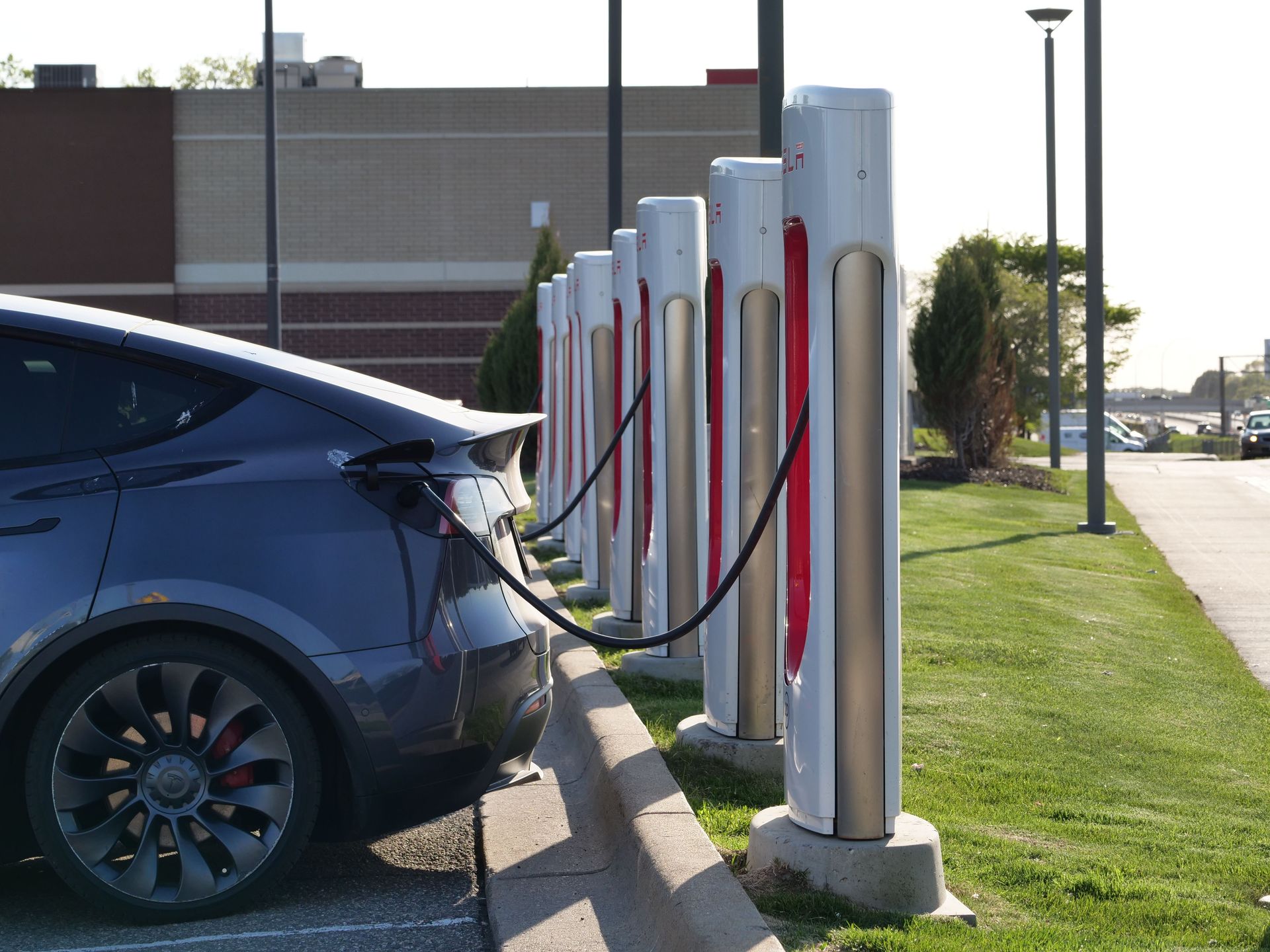
What Proper EV Charger Installation Requires
A compliant EV charger installation in Pennsylvania requires a permit pulled with the local authority having jurisdiction, an inspection of the completed circuit, and equipment that carries a UL listing or equivalent third-party certification. The circuit must be installed on a dedicated breaker—shared circuits are a code violation and can cause nuisance tripping or, in failure cases, overheating at the connection point. Wire gauge selection is tied directly to the breaker amperage: a 50-amp circuit requires 6-gauge copper minimum, and running undersized wire is one of the more common shortcuts that creates long-term hazard.
After HPM Electric completes an installation, the visible changes are straightforward: a wall-mounted charging unit with a dedicated indicator light, a properly labeled breaker in the panel, and a charge cord that reaches your vehicle's port without extension. The less visible change is equally important—your vehicle's onboard charger now draws power from a circuit sized specifically for it, which stabilizes voltage delivery and reduces the wear on both the charger and the car's charging system that occurs with underpowered supply.
Maintenance and repair services cover situations where an existing charger stops communicating with a vehicle, displays fault codes, or delivers inconsistent charge sessions—issues that are often traced to ground faults, loose terminal connections, or firmware incompatibilities rather than full unit failure. In many cases, a repair call can restore a malfunctioning unit without full replacement, though HPM Electric will clearly identify when the equipment itself has failed and a new unit is the practical solution.
Common Questions About EV Charger Installation
Property owners in Avondale frequently ask about panel requirements, permit obligations, and charger selection before scheduling an installation. The answers below address the most practical decision points.
What level of charger is right for most home installations?
Level 2 chargers, which operate on a 240-volt circuit, are the standard choice for residential use because they restore meaningful range overnight without requiring commercial-grade equipment or utility service upgrades in most cases.
How does the permit process work for EV charger installation in Avondale?
Chester County municipalities require an electrical permit for any new 240-volt circuit installation, and the completed work must pass an inspection before the charger is placed into regular service—HPM Electric manages this process as part of the installation.
Why does panel capacity matter before selecting a charger?
A 60-amp charger circuit added to a panel already operating near its rated capacity can cause breaker conflicts or require a service upgrade; the panel evaluation determines which charger amperage is compatible with what your home already supports.
What causes an existing EV charger to stop working correctly?
The most frequent causes are a tripped dedicated breaker, a loose terminal connection at the breaker or the unit itself, a ground fault condition, or a communication error between the charger and the vehicle's onboard system—each requires a different diagnostic step to isolate.
When is the best time to schedule installation relative to a vehicle purchase?
Scheduling the electrical assessment before the vehicle arrives allows the circuit and permit process to complete so the charger is ready the day the car is delivered, avoiding a period of relying solely on a standard outlet.
HPM Electric handles the full scope of EV charging work—from supplying and installing new equipment to diagnosing and repairing existing units—so property owners in Avondale work with a single point of contact rather than coordinating between an electrician and a separate equipment supplier. Contact HPM Electric directly to discuss your vehicle, your garage setup, and your panel's current condition before committing to a specific charger model.