Backup Power Ready Before Outages Occur
Generator installation in Avondale for residential properties requiring automatic power restoration during grid failures
Whole-home backup generators restore power within seconds of detecting grid failure, transferring electrical loads from utility service to generator output through automatic transfer switches that isolate the two sources. HPM Electric sells and installs these systems across Delaware County and Chester County, handling load calculations that determine required generator capacity, site preparation for outdoor unit placement, fuel line installation connecting natural gas or propane supplies, and electrical integration that maintains code compliance during inspections. Occasional power outages affect homes throughout Bryn Mawr and Haverford, and affluent communities increasingly expect backup systems that operate without manual intervention.
Installation begins with sizing the generator to match your home's electrical load, a calculation that accounts for simultaneously operating appliances, HVAC equipment, and critical circuits you want powered during outages. The process includes permit coordination with local authorities, inspector sign-off on electrical connections, and fuel system safety compliance that prevents leaks or improper venting. Automatic transfer switch wiring connects the generator to your main electrical panel, creating a dedicated pathway that engages only when utility power drops below acceptable voltage levels.
Schedule a load calculation consultation to determine the generator capacity required for your property.
Our Services
What Changes After Installation Completes
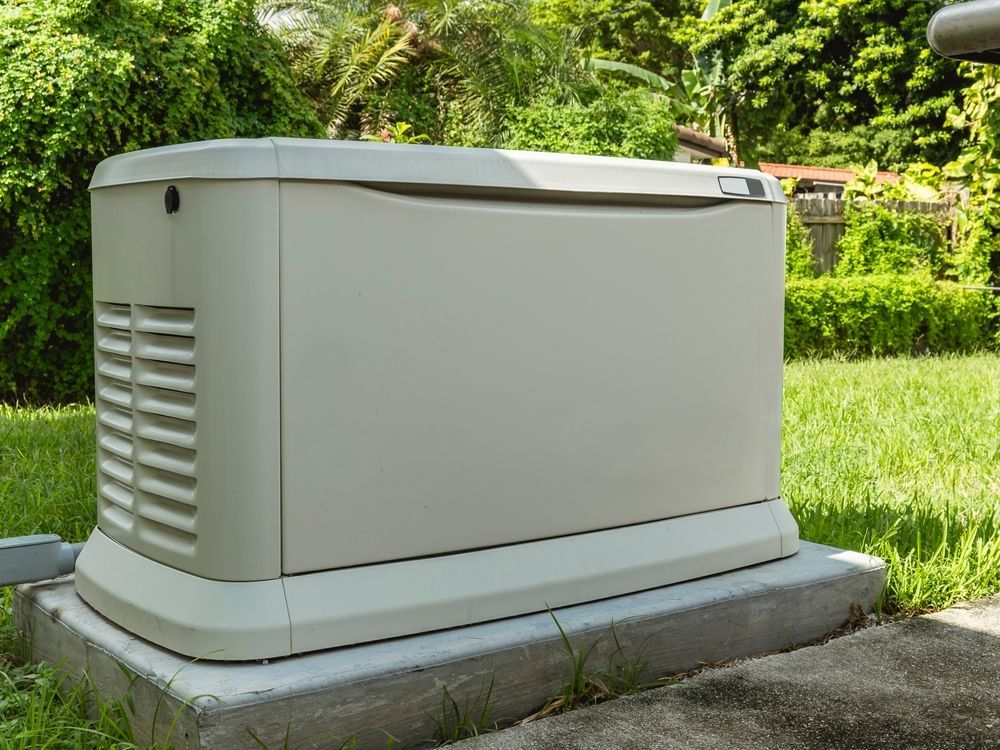
Generator installation involves concrete pad preparation to support the outdoor unit's weight and vibration, routing fuel lines from existing natural gas meters or propane tanks to the generator inlet with proper shutoff valves and pressure regulation, and high-voltage electrical connections between the transfer switch and main panel that a licensed master electrician must complete. The transfer switch monitors incoming utility power continuously, detecting outages and signaling the generator to start while simultaneously isolating your home's electrical system from the grid to prevent backfeeding.
Once installed, your home transitions to generator power automatically when outages occur, maintaining operation of refrigerators, sump pumps, heating and cooling systems, and lighting without requiring you to start equipment manually or connect extension cords. Lights stay on, HVAC systems continue running, and sensitive electronics remain powered through clean, regulated generator output. The system restores normal operation within fifteen to thirty seconds of detecting grid failure, a delay short enough to prevent most equipment from shutting down or requiring manual restarts.
Older homes in Delaware County often lack the electrical infrastructure for seamless generator integration, requiring service panel upgrades to accommodate transfer switch connections or additional circuits to distribute generator power throughout the property. The electrician manages permit submission and inspection scheduling, ensuring that all work meets Pennsylvania electrical code requirements before the system goes into service.
Common Questions About This Service
Property owners considering backup power want to understand what installation involves and how generator sizing affects both cost and performance.
How is generator capacity determined for a specific home?
Load calculation involves adding the wattage of all appliances and systems you want powered during outages, accounting for startup surge requirements of motors in HVAC equipment and refrigerators, then selecting a generator rated to handle that total load with capacity margin for safe continuous operation.
What fuel type works best for residential backup generators in Delaware County?
Natural gas generators connect to existing utility gas lines, providing unlimited runtime during extended outages without refueling, while propane systems require tank installation but operate independently of any utility service. Fuel choice depends on existing infrastructure and whether you prioritize convenience or complete utility independence.
Why does generator installation require permit and inspection coordination?
Pennsylvania electrical code mandates permits for any work involving service panel modifications or high-voltage connections, and inspectors verify that transfer switches prevent dangerous backfeeding into utility lines, that fuel systems meet safety spacing requirements, and that installations comply with manufacturer specifications for warranty validity.
What happens during the final inspection before the system goes into service?
The inspector verifies proper transfer switch wiring, confirms that the generator starts automatically when utility power is disconnected during testing, checks fuel line installation for leak potential, and signs off on electrical connections to authorize the system for use during actual outages.
How long does a typical residential generator installation take from consultation to final approval?
Installation duration depends on permit processing times, fuel line complexity, and whether electrical panel upgrades are required, but most projects span several weeks from initial site assessment through final inspection approval and system commissioning.
HPM Electric coordinates the entire installation process, managing contractor relationships for concrete work and fuel line installation while handling all electrical connections and code compliance directly. The company brings ten years of residential power system experience to sizing and installation decisions. Contact the electrician to discuss your backup power requirements and schedule a site assessment for your Avondale property.