Power Restored When Systems Fail
Generator Repair in Avondale for standby and portable units that won't start or run reliably
When a generator fails to start during an outage or runs poorly under load, HPM Electric diagnoses and repairs fuel system issues, ignition problems, transfer switch malfunctions, and battery failures across Avondale and Delaware County. Older residential properties in affluent communities depend on backup power for more than lighting and refrigeration—newer installations support EV charging infrastructure and smart home systems that require clean, stable power during extended outages.
Repair work begins with diagnosing whether the failure originates in the fuel delivery system, ignition circuit, battery and charging system, or transfer switch mechanism. Full load testing after repairs confirms the unit starts reliably, runs at stable voltage and frequency, and properly transitions between utility and generator power without damaging connected equipment.
Request an on-site diagnostic evaluation to identify the specific failure and repair requirements for your unit.
Our Services
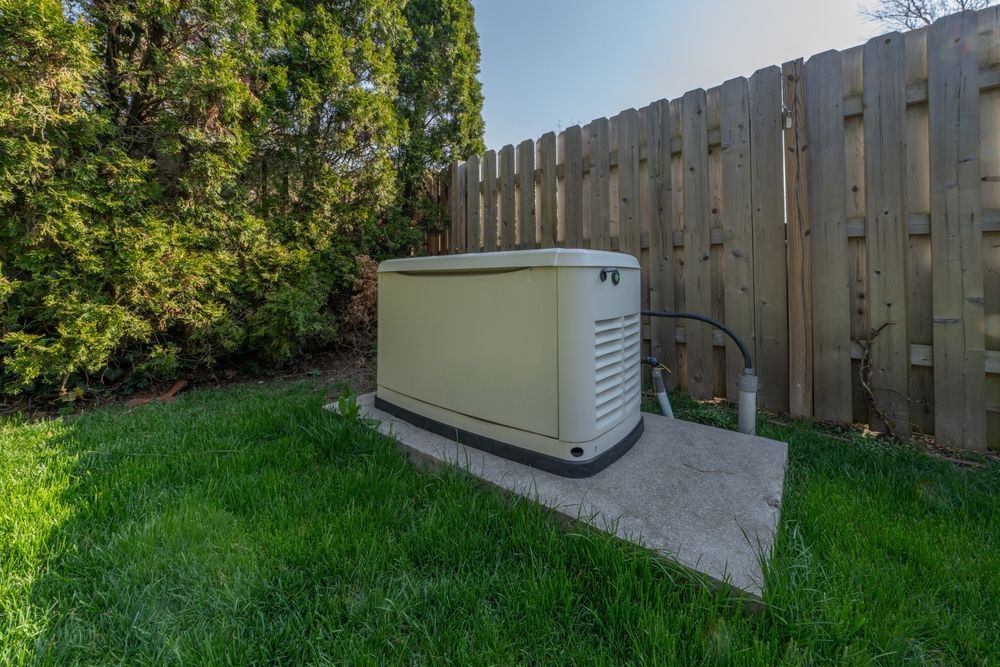
How Generator Failures Are Diagnosed and Resolved
Diagnosis involves testing battery voltage and cranking current, inspecting fuel supply from the tank through filters and lines to the carburetor or injectors, verifying ignition spark or glow plug operation, and checking transfer switch contact condition and control voltage. Fuel system contamination from stale gasoline or water intrusion, corroded battery terminals that prevent adequate cranking current, and transfer switch contacts welded from arcing under load represent the most common failure modes in standby generators that sit idle between storms.
Once repairs are complete, the generator cranks immediately when the starter engages, fires within the first few revolutions, stabilizes at operating speed without hunting or surging, and maintains voltage within tolerance as household loads cycle on and off. Transfer switch operation becomes smooth and definitive, with no hesitation between utility loss detection and generator circuit energization.
Some repairs require parts specific to the generator manufacturer, while others involve replacing standard electrical components like contactors, relays, or circuit breakers. Generac-certified work aligns with manufacturer specifications, ensuring warranty coverage remains intact where applicable and that replacement parts match the unit's electrical and mechanical requirements.
Questions About Generator Repair
Repair decisions often hinge on whether a unit is worth fixing, how quickly work can be completed, and what failures indicate about the system's overall condition.
How do I know if my generator should be repaired or replaced?
Units under ten years old with isolated failures—fuel system contamination, worn starter motors, failed voltage regulators—are typically worth repairing. Generators with compounding issues like low compression, corroded wiring harnesses, and rusted fuel tanks often cost more to repair than replacing with a modern unit offering improved fuel efficiency and automatic transfer switch features.
What causes generators to fail immediately after starting?
Fuel starvation from clogged filters or varnish-coated carburetor jets allows initial ignition from residual fuel in the carburetor bowl, but the engine stalls once that fuel is consumed and fresh fuel cannot reach the combustion chamber. Cleaning the fuel system and replacing filters restores consistent fuel flow under all load conditions.
Can a generator be repaired during an active power outage in Avondale?
Field repairs during outages focus on getting the unit running to restore power, with complete diagnostics and permanent repairs scheduled once utility power returns. Battery replacements, fuel filter changes, and carburetor cleaning can often be completed on-site, while transfer switch repairs may require temporary manual operation until parts arrive.
Why does my generator start but not transfer power to the house?
Transfer switch failures occur independently of generator operation—the engine may run perfectly while the switch contacts remain welded in the utility position or fail to close onto generator power. Control voltage issues, failed position sensors, or mechanical binding in the switch mechanism prevent proper transfer even when the generator reaches operating speed and voltage.
What testing happens after generator repair?
Post-repair testing includes cranking and starting verification, voltage and frequency measurement under no load and full load, transfer switch cycling through utility loss and restoration scenarios, and runtime observation to confirm stable operation without overheating, oil pressure loss, or abnormal vibration.
HPM Electric provides generator repair across Delaware County and Chester County, handling both portable and standby units with full diagnostic testing. Contact HPM Electric to evaluate your generator's condition and determine the most effective repair approach.