
Lighting That Adjusts Without Manual Switching
Smart Lighting Installation in Avondale for homes that need dimmer control, scheduling, and voice-activated operation
Historic homes and newer builds in Bryn Mawr, Haverford, and Delaware County both benefit from smart lighting retrofits because modern dimmer modules and networked switches eliminate the need for extensive rewiring that traditional lighting upgrades would require. Smart fixtures communicate with control hubs through wireless protocols or low-voltage wiring, allowing lighting to respond to voice commands, scheduled triggers, and occupancy sensors without replacing existing electrical boxes or running new circuit loops. HPM Electric installs smart dimmers with app and voice integration, runs low-voltage control wiring where needed for hardwired communication, and configures network settings so lighting responds to automation rules tied to time of day, room occupancy, or security system status.
The installation involves replacing standard switches with smart modules that fit existing electrical boxes, programming lighting scenes that adjust multiple rooms simultaneously, and integrating fixtures with Control4 or other home automation platforms so lighting operates through the same interface that manages climate and security.
Request a detailed estimate to identify which circuits need smart dimmer upgrades and what level of automation fits your daily routines.
Our Services
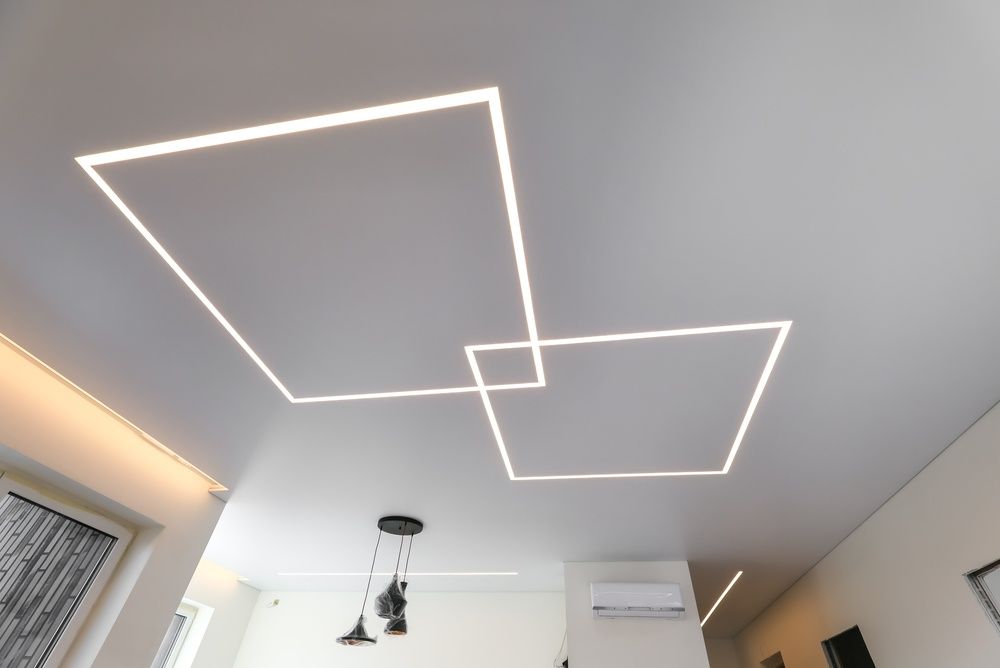
What You Notice Once Smart Lighting Is Configured
Fixture installation with smart dimmer integration allows each switch to communicate with the control network, and app configuration assigns rooms to zones that can be controlled individually or grouped into scenes. Low-voltage wiring connects dimmers to hubs for reliable communication that doesn't depend on Wi-Fi signal strength, which is especially important in homes with thick walls or multi-story layouts that create wireless dead zones.
Once programming is complete, you'll find that lights dim automatically as evening approaches, voice commands turn off all lighting in unoccupied rooms, and scheduled routines simulate occupancy when you're away by cycling lights on and off in varied patterns. Manual dimmer switches still function normally, but they also send signals to the automation system so changes are reflected in the app and don't conflict with scheduled scenes.
The system scales to include outdoor lighting, accent fixtures, and decorative elements over time, though initial installations typically focus on high-traffic interior spaces and entry lighting before expanding to less frequently used zones or specialty applications like landscape illumination.
Common Questions About This Service
Homeowners considering smart lighting want clarity on what existing wiring supports, how automation affects manual switch operation, and what kind of control options are available after installation.
What existing wiring is required for smart dimmer installation?
Most modern electrical boxes contain neutral wires that smart switches need to power their communication modules, but older Bryn Mawr homes sometimes lack neutrals and require either rewiring or specialty dimmers designed for two-wire configurations.
How does voice control work with smart lighting systems?
Dimmers integrate with voice assistants like Alexa or Google Assistant through the automation hub, allowing commands like "dim the living room to 50 percent" or "turn off all upstairs lights" without touching switches or opening apps.
When should smart lighting be installed relative to other home automation projects?
Lighting control is often the first automation upgrade because it provides immediate functional benefit and establishes the network infrastructure that other systems like security cameras and thermostats will use for integration.
What lighting scenes are most commonly programmed?
Morning routines that gradually brighten lights to simulate sunrise, evening scenes that dim lighting and activate accent fixtures, and away modes that randomize lighting patterns to deter intrusion are typical starting points.
How does manual switch operation interact with scheduled automation?
Physical dimmers override scheduled scenes when pressed, but the automation system detects the manual change and adjusts subsequent programming to avoid conflicts—lights won't turn off automatically if someone manually turned them on outside the scheduled routine.
HPM Electric handles all power delivery compliance and integrates lighting with Control4 and compatible platforms to ensure unified control across your home's systems. Arrange an on-site consultation to review fixture compatibility and determine which spaces would benefit most from automated lighting control.