
Systems Built for Decades of Use
Electrical Installation in Avondale for new construction and properties requiring complete rewiring
When a property needs new electrical infrastructure—whether from ground-up construction, a gut renovation, or a home addition—the installation must meet current electrical code and support modern load demands from the start. HPM Electric installs new electrical systems across Delaware County residential properties and light commercial spaces, handling everything from panel selection through final inspection approval. In Avondale and the Chester County corridor, installation projects often involve EV charging infrastructure, smart home wiring, and service upgrades that older homes never anticipated when they were originally built.
New electrical installations begin with panel sizing based on your total calculated load, including future additions like workshop circuits or garage charging stations. The master electrician files permits before work begins, runs all wiring to code specifications, and schedules inspections at rough-in and final stages. Bryn Mawr-area projects frequently require coordination with historic preservation guidelines and local utility companies for service drop upgrades, which adds complexity that only master-level contractors can manage efficiently.
Request a detailed estimate based on your construction plans and anticipated electrical load requirements.
Our Services
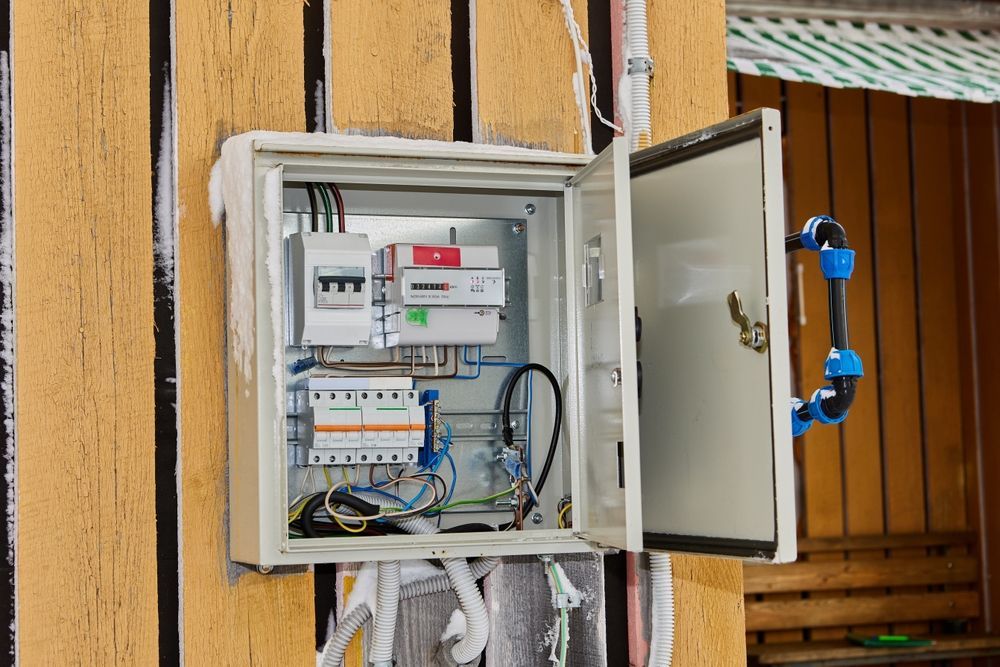
How Electrical Installation Addresses Future Capacity
Installation projects start with load calculations that factor in every circuit, appliance, and dedicated line your property will need—not just what you're using today, but what you'll add over the next ten years. The electrician designs the panel layout with space for additional breakers, runs conduit for future expansions, and installs dedicated circuits for high-draw equipment like EV chargers, central air systems, and electric water heaters. This planning prevents the costly panel replacement that becomes necessary when contractors install the minimum capacity and leave no room for growth.
Once the installation is complete and inspected, you have a fully documented electrical system with labeled circuits, grounded outlets, and code-compliant wire sizing throughout the property. Switches operate reliably, outlets deliver consistent voltage, and GFCI protection functions correctly in wet locations like bathrooms and kitchens. The permit record remains part of your property file, which protects you during resale when buyers request proof of licensed electrical work and passing inspections.
Installation work includes smart home infrastructure when specified—wired networking, low-voltage control panels, and automation-ready switches that integrate with modern home systems. The owner handles project scope from estimate to final walkthrough, ensuring that work quality remains consistent even when scaling with a trusted crew to meet project timelines. Master license authority covers the full range of residential installations and light commercial tenant improvements across the Delaware County service area.
Answers to Frequent Service Questions
These details help property owners understand what's involved in new electrical installation projects and how to evaluate contractor qualifications before work begins.
What's included in a complete electrical installation for a new home?
The scope covers service panel installation, circuit wiring to all rooms, outlet and switch placement, dedicated circuits for appliances, GFCI and AFCI breaker installation where required by code, grounding and bonding connections, and all necessary permits and inspections. The electrician coordinates with the utility company to connect the service drop and meter, which requires scheduling that aligns with your construction timeline.
How much does it cost to have electrical installation done?
New construction wiring typically costs between $3 and $8 per square foot depending on panel size, circuit count, and specialty installations like EV charging stations or whole-house surge protection. Rewiring an existing home costs more due to access challenges and drywall repair requirements, with total project costs ranging from $8,000 to $20,000 for a typical 2,000-square-foot property in Delaware County.
Why do new homes in Avondale need 200-amp service panels?
Modern electrical loads from central HVAC systems, electric vehicle chargers, smart home equipment, and high-efficiency appliances require significantly more capacity than homes built before 1990. Installing a 200-amp panel from the start provides headroom for future additions and prevents the need for a costly service upgrade when you add new circuits years later—upgrading a panel after construction is complete involves utility coordination, temporary power shutdown, and additional permit fees.
When should smart home wiring be installed during construction?
Low-voltage wiring for automation systems, security cameras, and network infrastructure should be roughed in before drywall installation, since running cables through finished walls adds significant labor cost and often requires visible conduit or surface-mounted boxes. The electrician coordinates with your automation vendor to ensure that rough-in locations match your control panel layout and device placement.
What's the difference between rough-in and final electrical inspections?
Rough-in inspection happens after wiring is installed but before walls are closed, verifying that wire sizing, grounding, box placement, and circuit routing meet code. Final inspection occurs after fixtures, outlets, and switches are installed, confirming that everything functions correctly and connections are secure—both inspections must pass before the utility company activates service and you can occupy the building.
HPM Electric manages the complete installation process from permit filing through final inspection approval, with 20-plus years of trade experience ensuring that your electrical system is built correctly from the start. Contact HPM to discuss your project timeline and receive a detailed scope of work based on your construction plans and electrical load requirements.